In the fascinating world of art collecting, the term "Limited Edition Print" often excites both new and seasoned collectors. But what does it truly mean? This post will dive deep into the concept of print runs and how they affect the value of art, particularly in the realm of limited editions.
Table of Contents
- What is a Limited Edition?
- Understanding Print Runs
- Value and Scarcity in Limited Editions
- How to Collect Limited Edition Prints
- Conclusion
- Frequently Asked Questions
What is a Limited Edition?
A limited edition is a collection of prints produced in a set quantity, significantly elevating its value compared to open or unlimited editions. When collectors see "limited edition," they often equate it with exclusivity and increased investment worth. These prints are typically numbered, such as 1/100, emphasizing their scarcity.
Understanding Print Runs
Print runs refer to the total number of copies produced for a particular artwork. Within the art world, these print runs dictate how many pieces are available for collectors:
- Small Print Runs: Often include fewer than 50 pieces. These are generally seen as high-value items due to their rarity.
- Medium Print Runs: Usually between 50 and 200 copies, these can still hold significant value but are somewhat more accessible.
- Large Print Runs: This category encompasses 200 pieces and above. While still limited, these editions might be more affordable and attract emerging collectors.
Control Over Quality
Creating limited editions allows for greater control over quality. Each print can be meticulously crafted, ensuring that the artwork retains its vibrancy and fidelity.
Value and Scarcity in Limited Editions
The perceived value of limited edition prints is often tied to their scarcity. The fewer prints that are available, the more desirable they tend to become. Many collectors focus on several key factors when assessing value:
- Artist's Reputation: A known or renowned artist can significantly increase a print's value.
- Demand: As the demand for a particular piece grows, so does its market value.
- Print Quality: The quality of print materials and techniques impacts the lasting appeal and integrity of the piece.
How to Collect Limited Edition Prints
For those looking to start or grow their collection of limited edition prints, consider these strategies:
- Research: Understand the market and the questions to ask potential sellers.
- Authenticate: Always verify the authenticity of the print and its edition.
- Invest Wisely: Focus on pieces that resonate personally but also have the potential to appreciate in value.
- Network: Engaging with other collectors and art enthusiasts can provide insights and opportunities.
Conclusion
In summary, understanding print runs and the term "limited edition" can empower collectors. By grasping the significance of scarcity and quality, collectors can make informed decisions that enhance their collections. Remember to stay curious and engaged as you navigate the art world!
Frequently Asked Questions
What is the difference between a limited edition and an open edition?
A limited edition is produced in a finite amount, while an open edition has no restrictions on how many can be made.
How can I tell if a limited edition print is authentic?
Look for a certificate of authenticity, the artist's signature, and the numbered edition on the artwork.
Are limited edition prints a good investment?
They can be, but it depends on factors like the artist's reputation, demand, and overall market trends.
You May Also Like
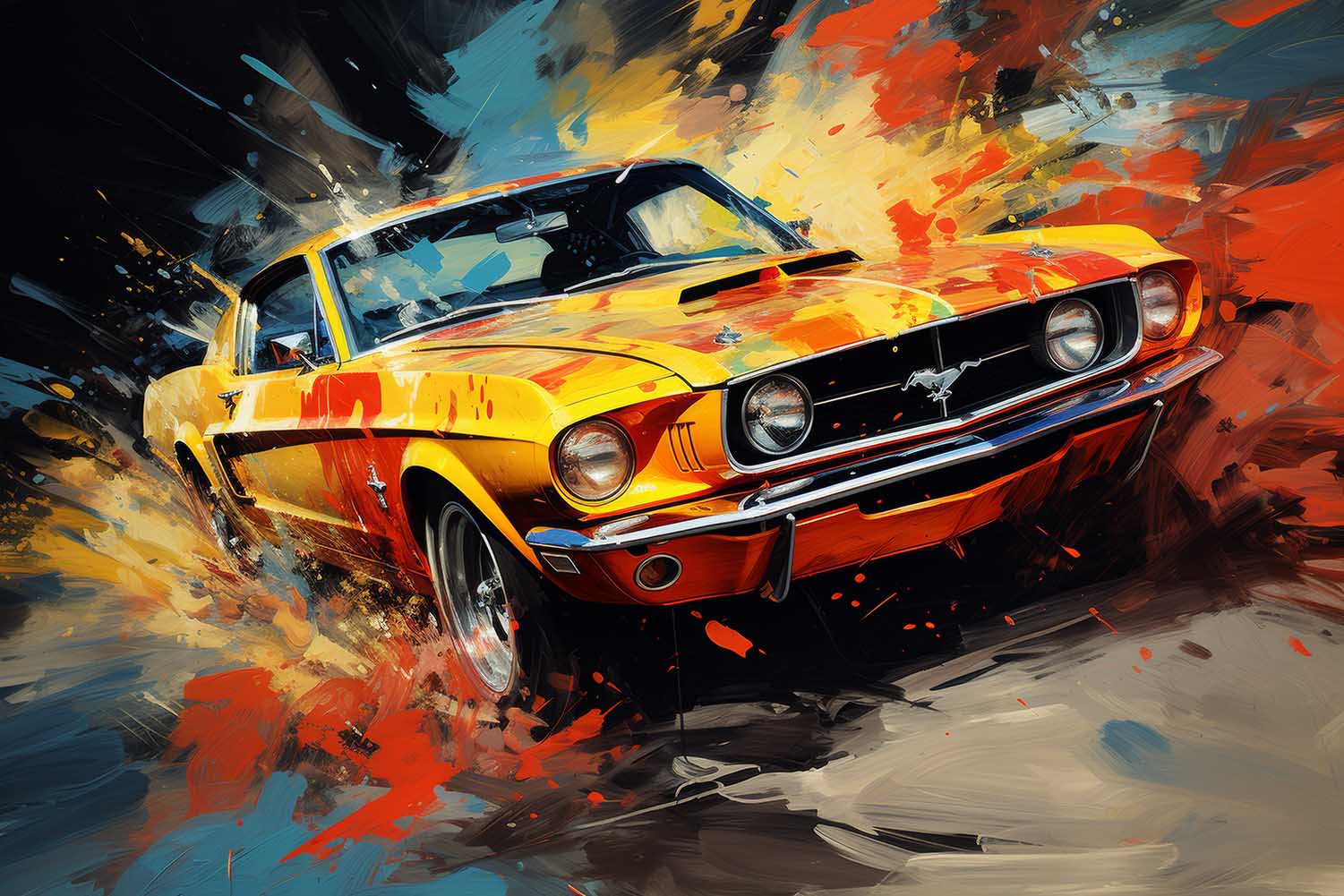
Velocity in Yellow
From £99
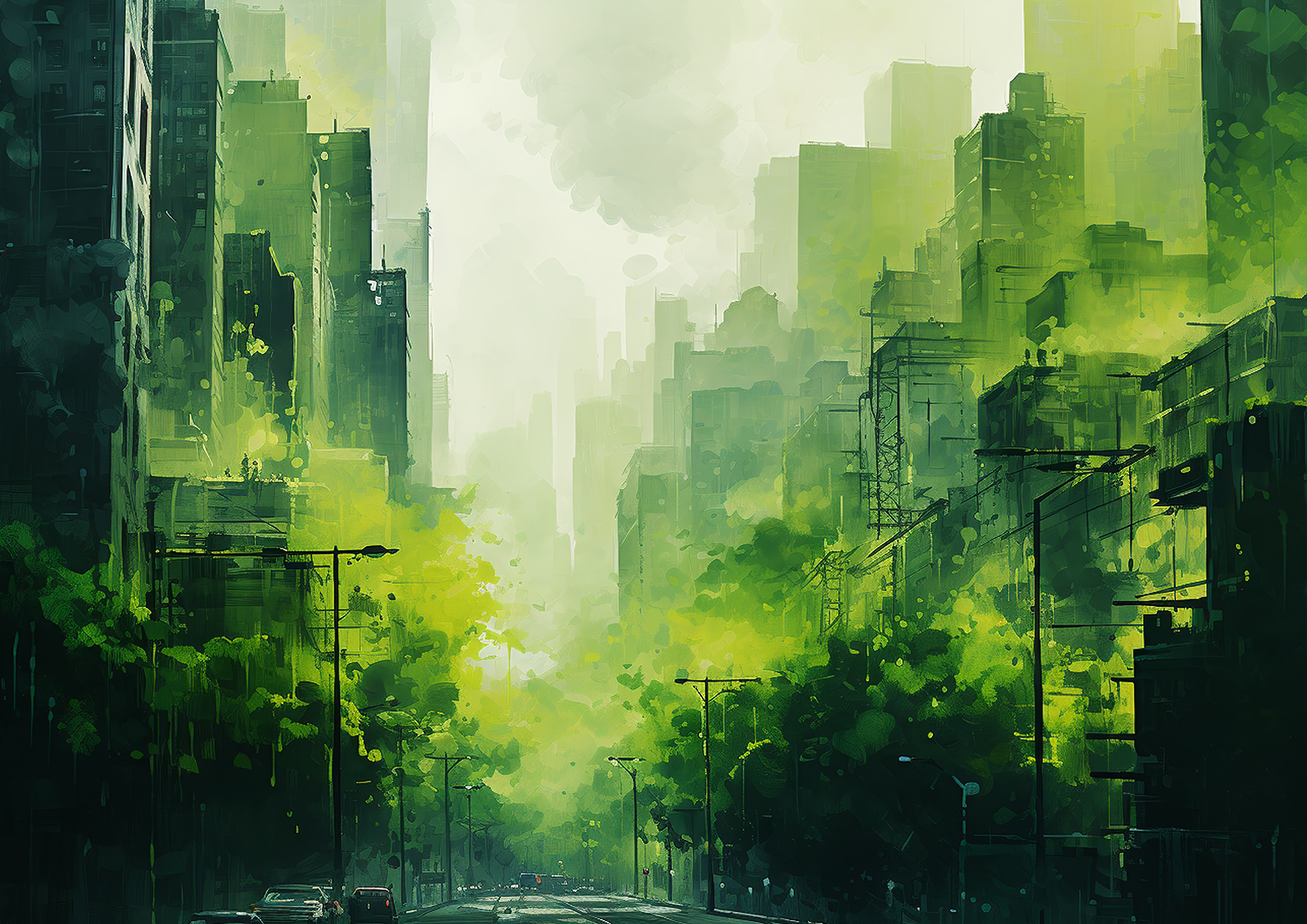
Urban Greenery
From £99